




Director General’s Message
Veterinary medicines are essential for protecting the lives and health of livestock, including cattle, pigs and chickens, and companion animals such as dogs and cats. They support the prompt and accurate diagnosis of diseases, including infectious diseases, as well as safe and effective prevention and treatment. In the livestock and aquaculture sectors, they also provide a vital foundation for a stable supply of safe food of animal origin by safeguarding the health of livestock and aquatic animals.
To fulfil these roles, NVAL, as an institution dedicated to regulatory science, draws on the latest scientific knowledge to provide consultations during product development, review applications for approval, conduct inspections of manufacturing and quality control practices, and perform quality testing before and after products enter the market. Through these activities, we ensure the quality, efficacy and safety of veterinary medicinal and related products. We also work on veterinary drug residues in food, thereby supporting animal health, the healthy development of the livestock and aquaculture industries, and food safety.
In response to major infectious animal diseases such as highly pathogenic avian influenza and classical swine fever, our work extends beyond vaccine testing. Through studies and research, we also contribute to improved animal health by evaluating the efficacy of stockpiled vaccines against avian influenza viruses circulating in the field and updating vaccine production strains as necessary.
As a core laboratory supporting efforts to combat antimicrobial resistance in the agriculture, forestry and fisheries sectors, NVAL promotes measures against antimicrobial resistance (AMR) under the One Health approach. Our activities include monitoring antimicrobial-resistant bacteria through the Japanese Veterinary Antimicrobial Resistance Monitoring System (JVARM), surveying antimicrobial use, and investigating epidemiological links through genetic analysis in collaboration with the human health sector.
We are also working with relevant institutions to develop an evaluation framework to ensure the quality and safety of regenerative medicine products, including those using mesenchymal stem cells and induced pluripotent stem (iPS) cells, which hold promise for veterinary medicine.
Internationally, we actively engage in cooperation by contributing to stronger regulatory capacity in Asia as a Collaborating Centre of the World Organisation for Animal Health (WOAH). As a core member of the International Cooperation on Harmonisation of Technical Requirements for Registration of Veterinary Medicinal Products (VICH), we also advance the international harmonisation of technical requirements for marketing authorisation applications.
Since becoming an independent government institution in 1956, NVAL has worked to ensure the quality, efficacy and safety of veterinary medicinal and related products while addressing the changing challenges of each era. In September 2025, we relocated from Kokubunji, Tokyo, to Tsukuba, Ibaraki, and began a new chapter in a new environment. We see our role as preserving the knowledge and expertise we have accumulated, passing them on to future generations, and responding effectively to advances in science and technology, changes in society, and challenges such as emerging infectious diseases.
With Tsukuba as our new base, we will continue to take on new challenges with determination, supported by the continued professional development of every member of staff and closer collaboration with relevant institutions. We remain committed to fulfilling our vital mission: protecting the lives and health of animals, supporting the sound development of the livestock and aquaculture industries, and safeguarding food safety.
We sincerely appreciate your continued understanding and support for the work of the National Veterinary Assay Laboratory.
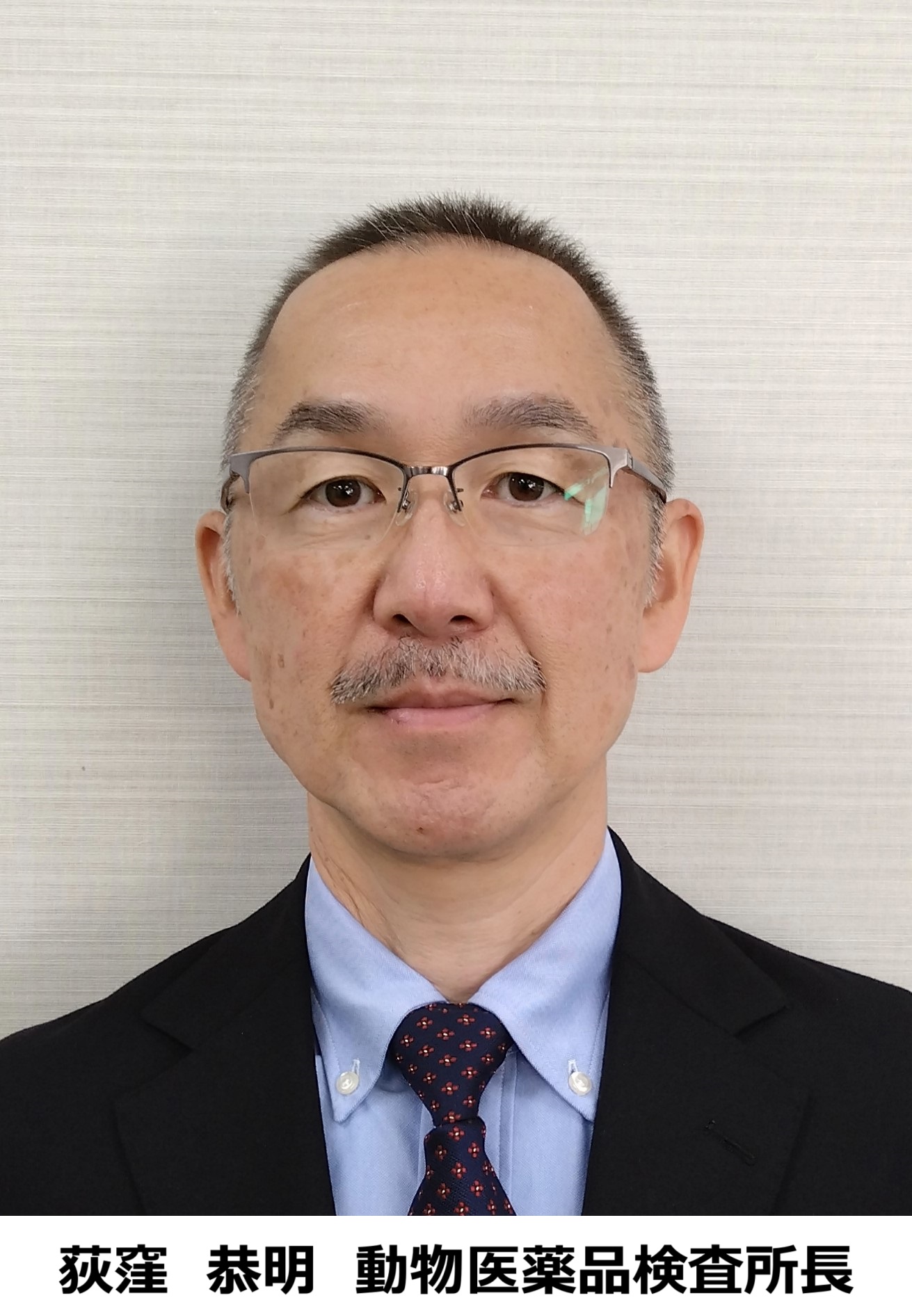
Yasuaki Ogikubo
Director General
National Veterinary Assay Laboratory
National Veterinary Assay Laboratory


